

Title: Crowdfunding for Medical Costs Almost Always Fails
Category: Health News
Created: 2/4/2022 12:00:00 AM
Last Editorial Review: 2/4/2022 12:00:00 AM
Comment
 Laughzilla the Third (2012)
The Third Volume in the Funny Stuff Cartoon Book Collection Available Now.
Laughzilla the Third (2012)
The Third Volume in the Funny Stuff Cartoon Book Collection Available Now. |
 Themes Memes and Laser Beams - The Second Volume in the Funny Stuff Cartoon Book Collection.
 Click Here to get the book in Paperback While Available on Amazon |

Funny Stuff : The First Cartoon Book from The Daily Dose. Available on Lulu. |
Title: Crowdfunding for Medical Costs Almost Always Fails
Category: Health News
Created: 2/4/2022 12:00:00 AM
Last Editorial Review: 2/4/2022 12:00:00 AM


Google Chrome has a new logo, which was recently rolled out with the latest developer builds of the browser. Behold, the dramatically modified icon that will soon grace your devices: Whoops. I must’ve uploaded the wrong image. Let me try again. Enhance! Hmm. *Types away at keyboard.* Okay, that is new-chrome-logo-2022.png. For reference, this is old-chrome-logo-2014.png: So yeah, it’s Chrome’s first new logo in eight years, but not that much has changed. Not to say that’s a bad thing, really. The Chrome logo is pretty iconic, and everyone knows what it is. Google probably doesn’t want people to panic when they…
This story continues at The Next Web

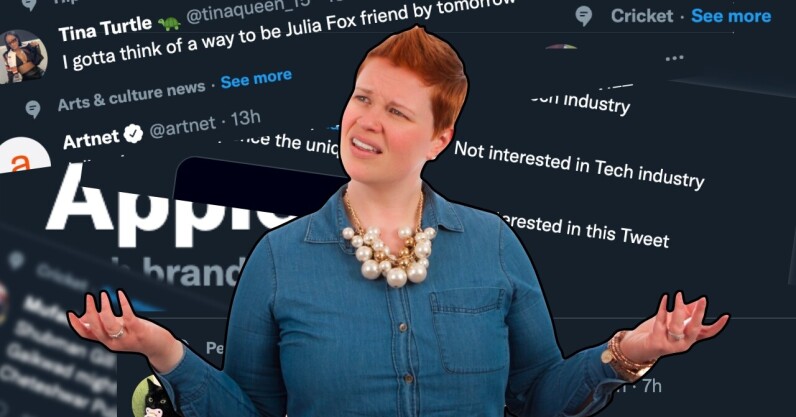
Welcome to TNW Basics, a collection of tips, guides, and advice on how to easily get the most out of your gadgets, apps, and other stuff. Back in 2019, Twitter introduced a feature called Topics to bring you tweets related to your areas of interest, without having to follow more people. On paper, it’s a great idea to keep your core timeline the same while getting updates about topics you might be interested in. But it’s a bit tricky managing your feed so you’re not overwhelmed by all those suggested tweets. Don’t worry, I’ve got you. In this guide, I’ll take…
This story continues at The Next Web
Or just read more coverage about: Twitter
Title: Stroke Rate Rises Among Young Americans, Even as It Declines for Seniors
Category: Health News
Created: 2/3/2022 12:00:00 AM
Last Editorial Review: 2/3/2022 12:00:00 AM

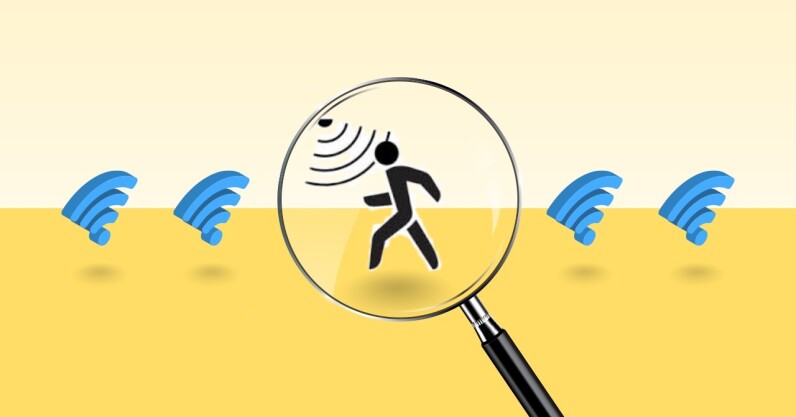
Wi-Fi is everywhere and we can’t really do without it. But the current-gen Wi-Fi standard is limited to data transfer between devices, and with every new iteration, we just see better speeds and throughput. For IEEE — the body that overlooks formations of networking-related protocols like ethernet — the challenge is to enhance the standard’s capabilities beyond data transfer. The aim of the upcoming 802.11 bf protocol is to enable devices like phones and laptops to sense things in the environment — like detecting your movement in a room, and responding to gestures you make in the air. That’s right,…
This story continues at The Next Web