


Dilbert readers – Please visit Dilbert.com to read this feature. Due to changes with our feeds, we are now making this RSS feed a link to Dilbert.com.
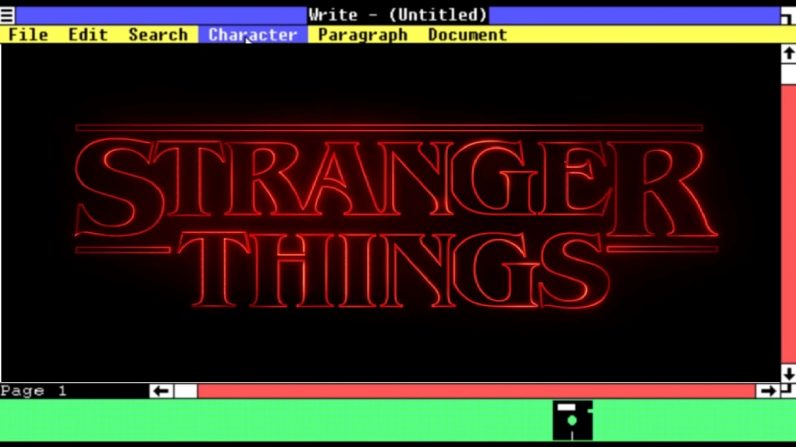
Microsoft yesterday took to Twitter and Instagram to tease social media denizens with a cryptic Windows 1.0 video. After you check your calendar to make sure it’s still 2019, check out the posts below: Introducing the all-new Windows 1.0, with MS-Dos Executive, Clock, and more!! 😲 💾 pic.twitter.com/guU4QxwsGG — Windows (@Windows) July 1, 2019 As you can see, the 13-second clip appears to be a teaser for Windows 1.0 – and that doesn’t make a whole lot of sense. The inaugural version of Windows was released in November of 1985. And nearly 34 years later we’ve survived the horror that…
This story continues at The Next Web
Or just read more coverage about: Microsoft,Netflix

A team of scientists from the University of Washington and Carnegie Mellon University have developed a method by which three people can play a Tetris-like multiplayer decision-making game together using only their minds. Researchers, Linxing Jiang, Andrea Stocco, Darby Losey, Justin Abernethy, Chantel Prat, and Rajesh Rao, created the interface, dubbed BrainNet. It’s “the first multi-person non-invasive direct brain-to-brain interface for collaborative problem solving,” according to their reseasrch paper. It allows three people in separate rooms to, essentially, network their brains and work together. In order to demonstrate the effectiveness of the interface, the team came up with a new twist…
This story continues at The Next Web
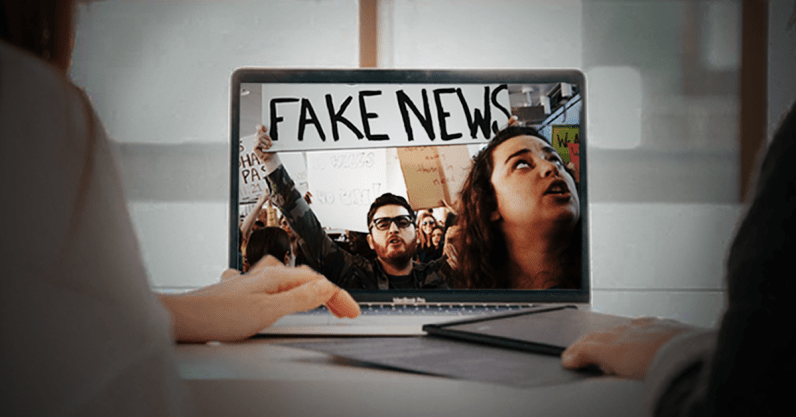
It can be hard to tell whether a picture is real. Consider, as the participants in our recent research did, these two images and see whether you think neither, either or both of them has been doctored. You might have based your assessment of the images on the visual information alone, or perhaps factored in your evaluation of how reputable the source is, or the number of people who liked and shared the images. My collaborators and I recently studied how people evaluate the credibility of images that accompany online stories and what elements figure into that evaluation. We found…
This story continues at The Next Web