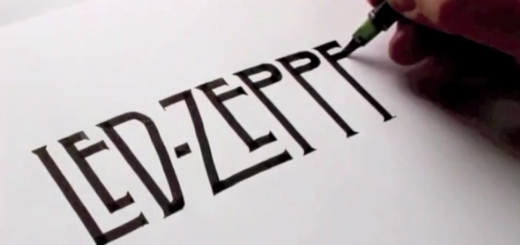
Seb Lester is a United Kingdom-based illustrator, calligrapher, typeface designer and an overall artist. He also wildly impressed us with his skills in recreating famous logos using just ink and paper. It’s either the most amazing video today or the most infuriating because I’m in complete awe and jealously (the Adidas one threw me in for the biggest loop… literally). Watch Lester work his magic in the video below. To see more of his creations, you can also follow him on Instagram. ➤ Seb Lester [Vimeo]

Dilbert readers – Please visit Dilbert.com to read this feature. Due to changes with our feeds, we are now making this RSS feed a link to Dilbert.com.

Meerkat has launched a developer platform and APIs to assist third-party developers in building tools for the independent streaming video service. The move distinguishes Meerkat from Periscope, the competing service that Twitter launched in the wake of Meerkat’s high-profile debut. Shortly after Periscope launched, Twitter cut off Meerkat. The company elaborated on the new developments with the following statement: We are committed to working with third party developers and want to highlight products like #Katch (katchkats.com), Meerkat Stats (meerkatstats.com), and Meerkat Streams (meerkatstreams.com). These are examples of great products that the Meerkat community loves and that we’ll be doing everything we can to keep supporting. This goes…
This story continues at The Next Web

Despite all the supposed shortcomings of the Apple Watch, one thing becomes crystal clear when you use one for a few days; it is going to sell like crazy. Not just well, but insanely well. So far, almost every person I met who played with it for awhile converted from cynical to excited within minutes. It’s very similar to the first iPhone. Many disliked and dismissed it. But then you would hand someone one, they would start playing with it, and then you would see the expression on their faces change into childlike excitement. And then they got one. So why is…
This story continues at The Next Web

Ad injectors – unwanted software that insert new ads or replace the ones already there – have plagued the internet for many a year, but Google wants to show us just how pervasive they are. Today the company released details from a study performed in a partnership with UC Berkley and Santa Barbara that revealed some pretty incriminating numbers. According to Google, as many as 5.5 percent of unique IP addresses (amount to “millions of users”) visiting Google pages included injected ads. Approximately 5.1% of these were on Windows and 3.4 percent were on Mac. These can come from a…
This story continues at The Next Web