
Dilbert readers – Please visit Dilbert.com to read this feature. Due to changes with our feeds, we are now making this RSS feed a link to Dilbert.com.
 Laughzilla the Third (2012)
The Third Volume in the Funny Stuff Cartoon Book Collection Available Now.
Laughzilla the Third (2012)
The Third Volume in the Funny Stuff Cartoon Book Collection Available Now. |
 Themes Memes and Laser Beams - The Second Volume in the Funny Stuff Cartoon Book Collection.
 Click Here to get the book in Paperback While Available on Amazon |

Funny Stuff : The First Cartoon Book from The Daily Dose. Available on Lulu. |
Dilbert readers – Please visit Dilbert.com to read this feature. Due to changes with our feeds, we are now making this RSS feed a link to Dilbert.com.
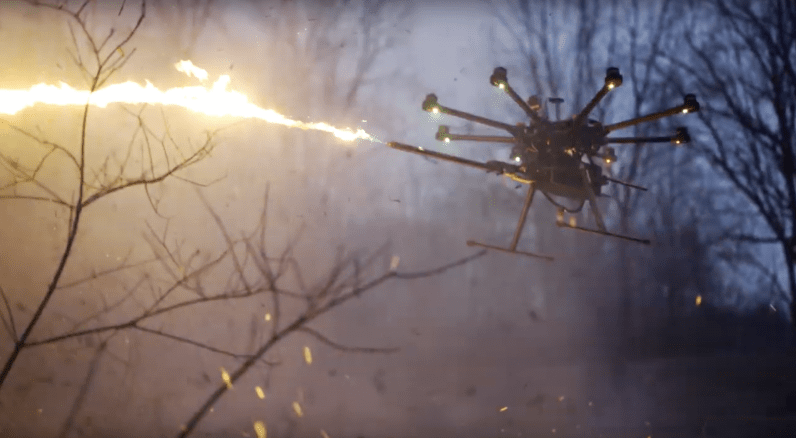
Growing up in the 90s, the idea of a radio controlled aircraft that spits flames was merely a source of doodles on times table worksheets in school, the sort of thing you wish existed, but were fairly certain you’d never see. As an adult, it seems I’ve manifested this contraption into existence. You can send thanks to my Twitter account, if you’d like. My childhood creation has been around a while. Drones came first, of course, but like all things men touch, it was really only a matter of time before we experimented with adding dangerous things to the business…
This story continues at The Next Web
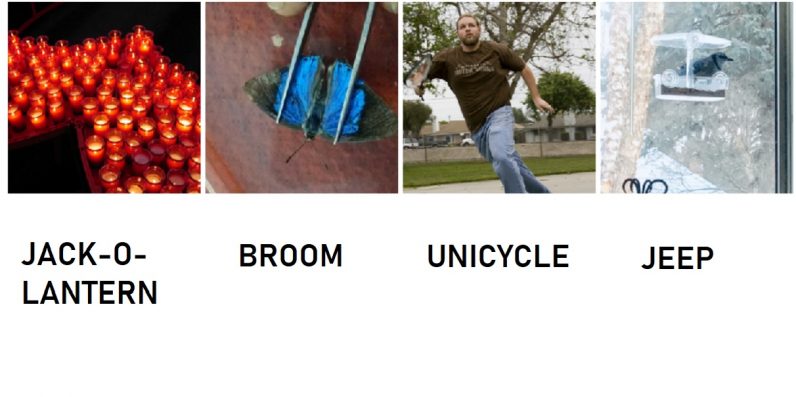
You can’t fool all the people all the time, but a new dataset of untouched nature photos seems to confuse state-of-the-art computer vision models all but two-percent of the time. AI just isn’t very good at understanding what it sees, unlike humans who can use contextual clues. The new dataset is a small subset of ImageNet, an industry-standard database containing more than 14 million hand-labeled images in over 20,000 categories. The purpose of ImageNet is to teach AI what an object is. If you want to train a model to understand cats, for example, you’d feed it hundreds or thousands…
This story continues at The Next Web
You can’t fool all the people all the time, but a new dataset of untouched nature photos seems to confuse state-of-the-art computer vision models all but two-percent of the time. AI just isn’t very good at understanding what it sees, unlike humans who can use contextual clues. The new dataset is a small subset of ImageNet, an industry-standard database containing more than 14 million hand-labeled images in over 20,000 categories. The purpose of ImageNet is to teach AI what an object is. If you want to train a model to understand cats, for example, you’d feed it hundreds or thousands…
This story continues at The Next Web
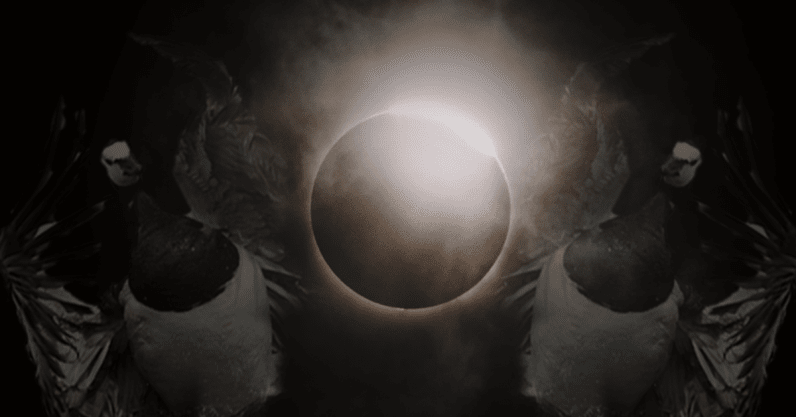
For most animals, the structure of their day – and indeed their year – depends on the light-dark cycle. These regular and rhythmic cycles in the length of days tell animals when they should be foraging, when they should be asleep, when it’s time to migrate and when it’s time to breed. Animals can tell all this from how many hours of daylight they experience, but the moon’s cycles also strongly influence their behavior. The lunar synodic cycle – the moon’s regular journey from full moon to full moon again over 28 nights – causes changes in the Earth’s magnetic…
This story continues at The Next Web