

Dilbert readers – Please visit Dilbert.com to read this feature. Due to changes with our feeds, we are now making this RSS feed a link to Dilbert.com.
 Laughzilla the Third (2012)
The Third Volume in the Funny Stuff Cartoon Book Collection Available Now.
Laughzilla the Third (2012)
The Third Volume in the Funny Stuff Cartoon Book Collection Available Now. |
 Themes Memes and Laser Beams - The Second Volume in the Funny Stuff Cartoon Book Collection.
 Click Here to get the book in Paperback While Available on Amazon |

Funny Stuff : The First Cartoon Book from The Daily Dose. Available on Lulu. |
Dilbert readers – Please visit Dilbert.com to read this feature. Due to changes with our feeds, we are now making this RSS feed a link to Dilbert.com.
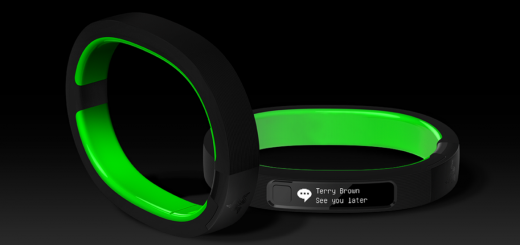
This week is turning into a notable one for wearable devices thanks to a couple of announcements out of Asia. First, Xiaomi announced plans for a device that will retail for just $13, a truly new low pricepoint for the genre, and now Razer is revealing that its upcoming new product will integrate messaging app WeChat. The Nabu smartband borrows some functionality from a smartwatch, alongside the standard fitness and health tracking capabilities that we expect. But integrating WeChat is a very interesting move, particularly in China where the service is ubiquitously used and is even becoming a platform for developers who seek to…
This story continues at The Next Web

Xiaomi’s office is still humming way past 7pm on the day after their major product launch event. Employees typically end their days at 9.30pm after working 12-hour-long days here, and this commitment doesn’t end post-event. For all the work that has gone into developing its products — the company says the recently-launched Mi 4 took 18 months of research and development, for example — it is little wonder that recent claims circulating in the press about the company blatantly ripping off Apple’s products have hit its executives hard. High-profile former Google VP Hugo Barra, now VP for Xiaomi Global, said in…
This story continues at The Next Web
Google has expanded its Street View imagery initiative in Asia after its distinctive camera-clad cars hit the roads of Laos, starting in capital city Vientiane. As is so often the case with Google Maps and Street View projects in Asia, the internet giant has teamed up with the local government and tourism organization for what it hopes will “create new ways for people around the world to experience Laos, and by doing so, help create better awareness of this country and attract more tourism.” Google says it will begin with Vientiane but hopes to cover the rest of Laos “over the next few…
This story continues at The Next Web
Has sending a text message ever come back to bite you? If so, Mark Cuban’s new startup Cyber Dust wants to save you the trouble. The ephemeral messaging app launched today on Android alongside its existing iPhone counterpart. Cyber Dust functions similar to Snapchat, but with a focus primarily on texting. Messages are erased after 30 seconds. The app sends “fully encrypted messages” and never saves the data to your device’s hard drive or a server. The Android app also disables screenshots to make it more difficult for recipients to capture evidence. Cuban told Fox Business he came…
This story continues at The Next Web