
Dilbert readers – Please visit Dilbert.com to read this feature. Due to changes with our feeds, we are now making this RSS feed a link to Dilbert.com.
 Laughzilla the Third (2012)
The Third Volume in the Funny Stuff Cartoon Book Collection Available Now. |
 Themes Memes and Laser Beams - The Second Volume in the Funny Stuff Cartoon Book Collection. Click Here to get the book in Paperback While Available on Amazon |

Funny Stuff : The First Cartoon Book from The Daily Dose. Available on Lulu. |
Dilbert readers – Please visit Dilbert.com to read this feature. Due to changes with our feeds, we are now making this RSS feed a link to Dilbert.com.

Whether we like it or not, we’re born into a world where climbing the ranks in business ultimately becomes our top priority—especially earlier on in our careers.
We compete to get into the best universities, and we clamor for open positions at the top firms. Once we get our leg in the door, we immediately try and learn what we need to do to get to the next level. It’s this constant drive toward the top that we either grow used to or learn to hate altogether.
And the way we work continues to change as the business world adapts to new technologies. Whether at a start-up or enterprise, traditional work environments are being transformed from the inside out, with intrapreneurs and self-declared leaders taking charge.

For those of us looking to jumpstart career growth, there’s a lot of advice out there on who to talk to, what industries to join, and how to stand out, but a lot less information on what makes up a great leader, on a scientific level. Could leadership be a gene we’re born with or is it a character trait we learn on the job?
This article will look at the science behind risk taking, what work environments develop today’s greatest leaders, and how to develop stronger emotional intelligence in a leadership role.
It’s seems odd that our genetic code could decide if we’re built to lead in the workplace or if we’re meant to follow. But a new study from Kansas State University has discovered that such a gene may exist, but it’s not the be-all to end-all of your career.
The study focused on the dopamine transporter gene DAT1, which according to new research, controls the reward and motivation systems in our brains. More, people who had a special variant of the gene were more likely to engage in mild rule-breaking behavior. Assistant Professor of Psychological Sciences at Kansas State University says in the report:
“These kinds of behaviors can provide you with an advantage because they allow adolescents to explore boundaries and learn something new.”
In other words, this study suggests that those who dare to take risks—not because they’re bold by choice, but because they’re hardwired to think differently—are the people who are best equipped to lead.

The study does come with one caveat—these same people who dare to take risks are also the worst at making positive change happen. Meaning, they’re not always as good at regulating behaviors such as being persistent. This finding could explain why many organizations are formed through partnerships, with one person acting as the creative mastermind and the other as the operational arm.
Work environment often sets young professionals up for success, even if they’re born with the golden gene variant or not. Studies show that professionals who experience a high-level of mentally demanding work tasks end up stimulating their verbal intelligence and significantly increasing their cognitive function overall.
What does this mean, exactly? Our brains rewire when we work in demanding environments, retaining information at a higher rate and functioning more efficiently long term. Therefore, the more people challenge themselves at work, the smarter they get.
Just like in the above study where risk-taking has been found to be a genetic leadership trait, being a challenger also leads to career success. However, learning to take risks and challenge the status quo aren’t enough to make a good leader great. You need to understand how to develop an emotional intelligence that makes you an empathetic and inspiring leader.
Being an emotionally intelligent leader means that you’re able to manage your moods and think rationally in the face of adversity. We’ve all been in situations where our temper and anxiety get the best us, leading us to make poor managerial decisions and mishandling high priority projects.
While we can take time management and leadership courses through work and at school, there’s a lot our body needs to function properly, that we can’t learn from a book or in a classroom.
A new study from the University of Florida Institute of Food and Agricultural Sciences recently tied diet, exercise, and emotional intelligence together for the first time. According to the study, “emotional intelligence is about knowing one’s true self and using awareness to best respond and relate to others—vital for a trusted and effective leader.”
And the study goes on to say that eating healthy and exercising regularly are two proven methods for developing and flexing emotional intelligence muscles. If you aren’t taking care of yourself, how can you expect others to believe in your big ideas?

Some of us are born leaders while others have to work hard to develop the skills necessary for success. These studies provide us with context as to what great leaders do differently, whether it’s an inherent trait or something they learn along the way. Either way, to become a great manager, you need to learn to take risks, challenge the status quo, and develop an emotional intelligence. And don’t take it from me—this is just science.
Read Next: The science behind viral content
Image credit: Shutterstock

When you think of the most creative cities in America, Detroit or Salt Lake City might not the first places that come to mind. That’s the premise of what artist Wesley Verhoeve wants to disprove by traveling to 12 American cities to highlight its creative communities in a series of photo essays titled, “One of Many.”
 While Brooklyn and Chicago are known for their thriving art scenes, Verhoeve says there are many communities that are underrepresented in the media. He said the idea came about when he noticed many independent artists moving out of big cities in New York and California to be inspired by smaller parts of the country.
Launched last summer, “One of Many” features cities like Portland, ME, Charleston and Denver. In each location, Verhoeve meets locals by networking through friends or exploring on foot.
Verhoeve publishes his photo essays monthly, the most recent featuring creatives from New Orleans. Their professions range from coppersmith to graphic designer to book store owner.
His goal is to highlight the unseen parts of the city; in Detroit, for example, Verhoeve purposely took photos that didn’t feature the city’s downfall since its bankruptcy, and instead focused on the community’s resilience after the fact.






“One of Many” is a beautiful reminder that being creative and independent does not necessarily mean you’re alone. “We’re part of a growing movement that’s reshaping our economy and culture,” Verhoeve says.
There are still five cities yet to be published on “One of Many.” You can check out the previous essays here, or follow Verhoeve on Instagram for outtakes and teasers.
Read next: Rejected Logo Competition: Breathing new life into spurned designs
Whether or not you think face recognition technology is creepy, it’s clear that tech companies around the world are continuing to invest in building better imaging intelligence.
From Microsoft’s How Old Bot to Facebook’s newest app that browses your phone’s gallery for photos of your friends and IKEA’s catalog of computer-generated images, tech in the photography realm is getting smarter than ever – and with Facebook’s latest research development, it’s about to get that much harder to tell photos apart from what’s real and fake.
Yesterday, the folks at Facebook’s Research team released a study which highlights its artificial intelligence robot that can generate photographs by looking at pictures of various things and learning its appearances. It’s similar to how humans learn to perceive objects – for example, once you’ve seen an airplane, you’re able to recognize other airplanes pretty easily.
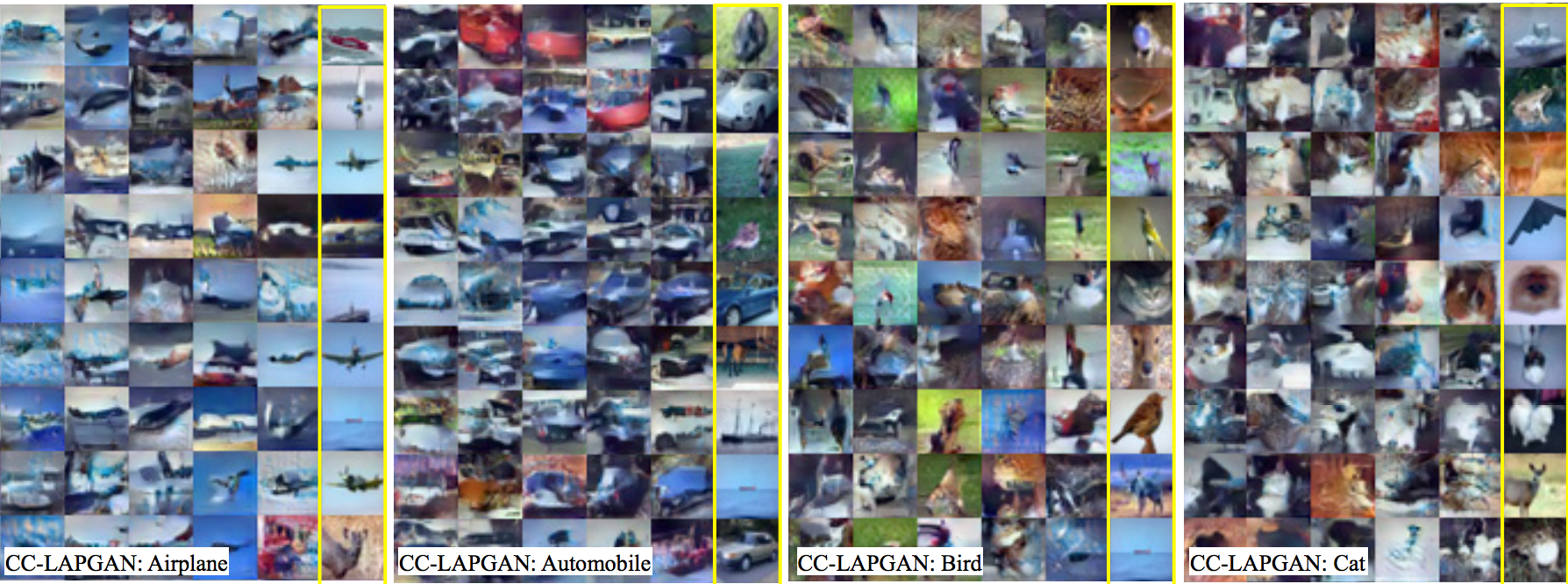
In the experiment, Facebook’s AI robot was able to auto-generate 64 x 64 pixel photos that displayed a scene that was life-like enough to convince nearly half of the volunteers they were real.
“Around 40 percent of the samples generated by our class conditional LAPGAN model are realistic enough to fool a human into thinking they are real images,” the research states.
The AI robot works in two parts: One neural network generates an image based on a random vector, while a second network analyzes the produced photo for realism. Over time, the team plans to let the bot create larger images with higher accuracy.
Google is also building a similar system, but so far, the results err on the trippy side.
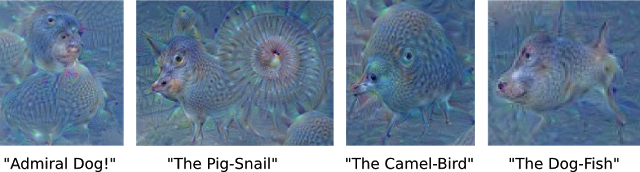
Although Facebook has not specified how it will use such technology, given its recent focus on video and photo-related apps, we won’t be surprised to see this implemented in future products.
Read next: Facebook Moments not coming to Europe because of privacy concerns
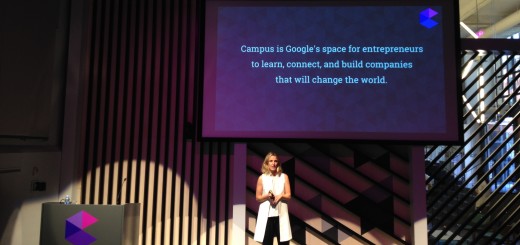
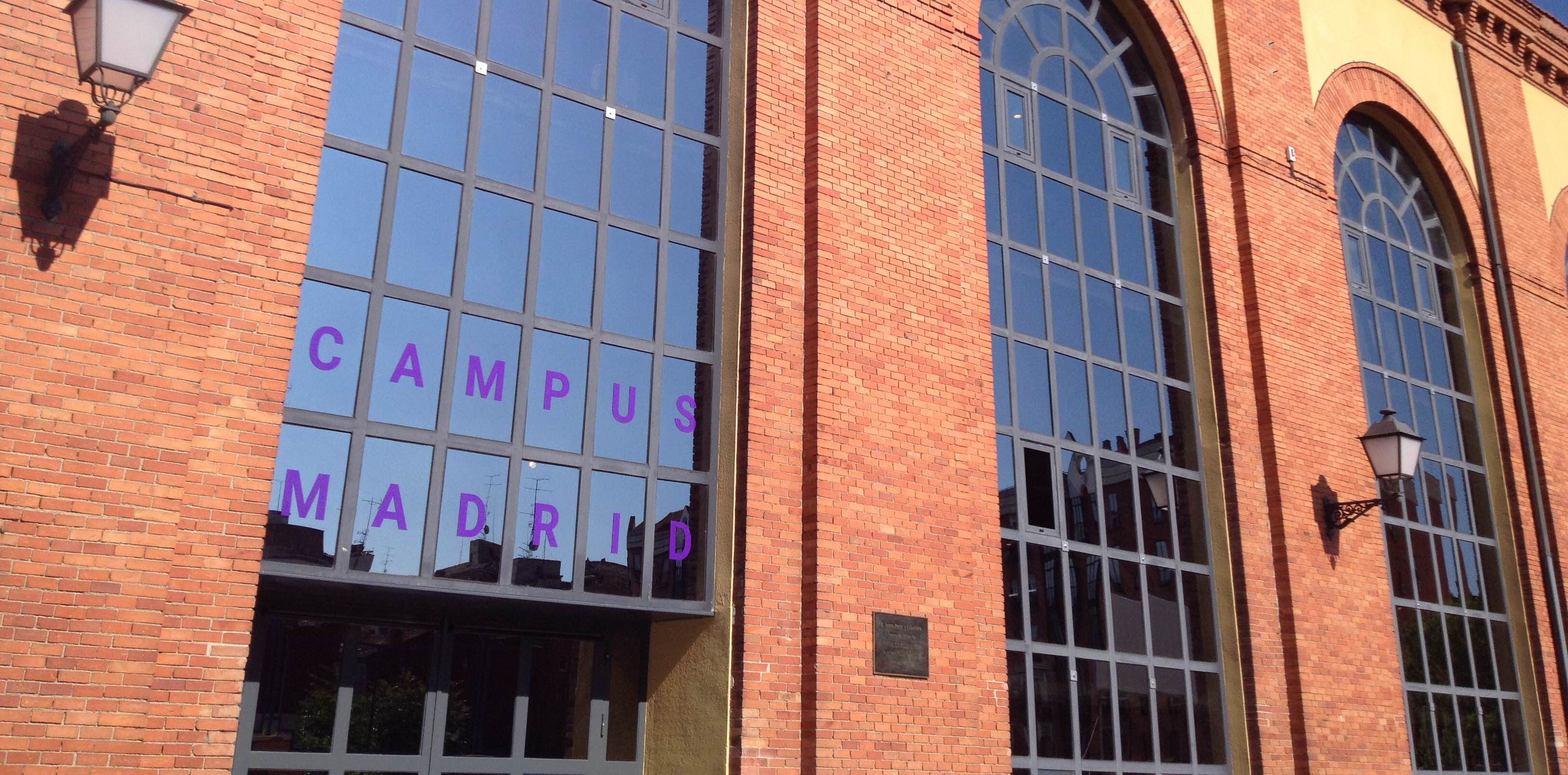
Google Campus Madrid won’t officially open its doors until June 22, but it has been buzzing with activity over the last few days, including its official inauguration yesterday. It culminated in a gala dinner in presence of US Ambassador James Costos, Google’s chairman Eric Schmidt and no less than Spain’s King Felipe.
Despite this VIP-heavy start, most of Campus Madrid’s 2,500-square-meter space will be open to the general public; in fact, anyone will have access to its Do Eat café as long as they register in advance. Its building is located in the Madrid Río area, and was once home to the first electrical storage battery factory, founded by Spanish engineer Isaac Peral in 1892.
Now entirely refurbished, its upper floors feature two co-working spaces, one of which is managed by UK-born network TechHub, which already had a branch at Google Campus in London.
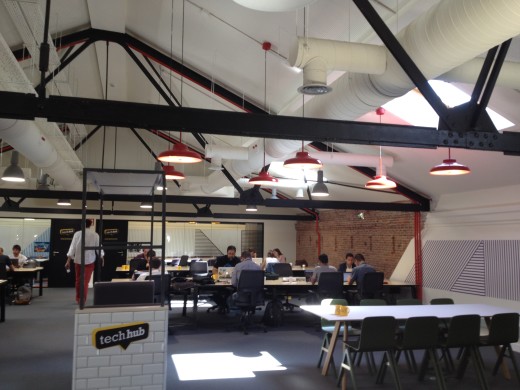
In addition to its London and Madrid locations, TechHub has a presence in Bangalore, Berlin, Boston, Bucharest, Riga and Swansea. According to its CEO Elizabeth Varley, its approach in Spain will be more hands-on, and her team also has big ambitions for its members.
“We want the next Twitter, Facebook… or Google to grow here,” TechHub’s membership manager Daria Kyrilova said.
According to Campus Madrid’s head Sofia Benjumea, the partnership with TechHub reflects the philosophy of her team: “We’re not an accelerator, we’re not a co-working space, but we are collaborating with others who know how to do it.” A former journalist, she previously founded Spain StartUp, whose conference The South Summit contributed to put her country on the map of entrepreneurship.
Still, many Spaniards expressed surprise at Google’s decision to choose Madrid as the fourth city in which to place a Campus (after London, Tel Aviv and Seoul). On the other hand, ‘talent’ was one of the words that came up most often when Googlers described their vision of the local tech scene.

“Spain is one of the countries with the largest distance between the internal and external perception of itself,” diagnosed Spanish investor Iñaki Arrola (note: translation ours).
Arrola is heading the Madrid chapter of Seedrocket, whose next Summer Camp will take place at Campus Madrid. Its invested startups also share a co-working space on the second floor with other organizations, such as pre-accelerator Tetuan Valley and Startup Weekend parent organization UP Global (now owned by Techstars).
Partner activities aside, Campus Madrid will host several recurring Google-led initiatives, such as Campus Exchange, Talks@Campus, Connect@Campus and Mentoring@Campus. In early July, it will welcome Google Launchpad, the week-long program that the company has been promoting to provide startups with intensive mentoring.
“Many Googlers have volunteered to become mentors at Campus Madrid,” Benjumea said.
Another of its projects is Campus for Moms, a kid-friendly effort to support entrepreneurs who are also parents (dads are welcome too). “We have learned that diverse teams produce better outcomes,” said Mary Grove, Director of Google for Entrepreneurs, which she described as “a startup within Google.”
Her team is currently preparing the opening of Google’s 5th and 6th Campuses, respectively in Warsaw and São Paulo. The first one of all was Campus London, which is now 3 years old. With 40,000 members from 90 countries, some 850 yearly events and 1,100 mentoring hours in 2014, it also serves as an example of the impact Campus Madrid hopes to have.
 One of the main purposes of Campus Madrid is to host events, which got their kickstart with In³Spain (pronounced “Incubed”), a high-level conference promoted jointly by its team, the U.S. Embassy in Spain and trade association Chamberi Valley. Its name is a reference to its motto, ‘Incubating a new Spain,’ as well as to the three categories of participants it is bringing together: innovators, investors and institutions.
Alongside some of Spain’s best known entrepreneurs and angels, high representatives indeed made an appearance; not only Spain’s King and its Minister of Industry & Tourism, but also Maria Contreras-Sweet, Administrator of the US Small Business Administration (SBA) and a member of President Obama’s Cabinet.
“President Obama has committed to promoting entrepreneurship through the creation of the US Government’s Spark initiative, which has set a goal of generating more than a billion dollars of new investment for emerging entrepreneurs worldwide by 2017, igniting a new era of global innovation. IN3 is part of that commitment,” Ambassador Costos said.
Over the last couple of days, both Google officials and U.S. authorities shared the same rationale to justify their involvement. Entrepreneurship is the “best way to generate jobs and innovation,” in the US and abroad, Google’s chief legal officer David Drummond noted.
“Two thirds of the current job growth in the U.S. comes from small businesses,” Contreras-Sweet added.
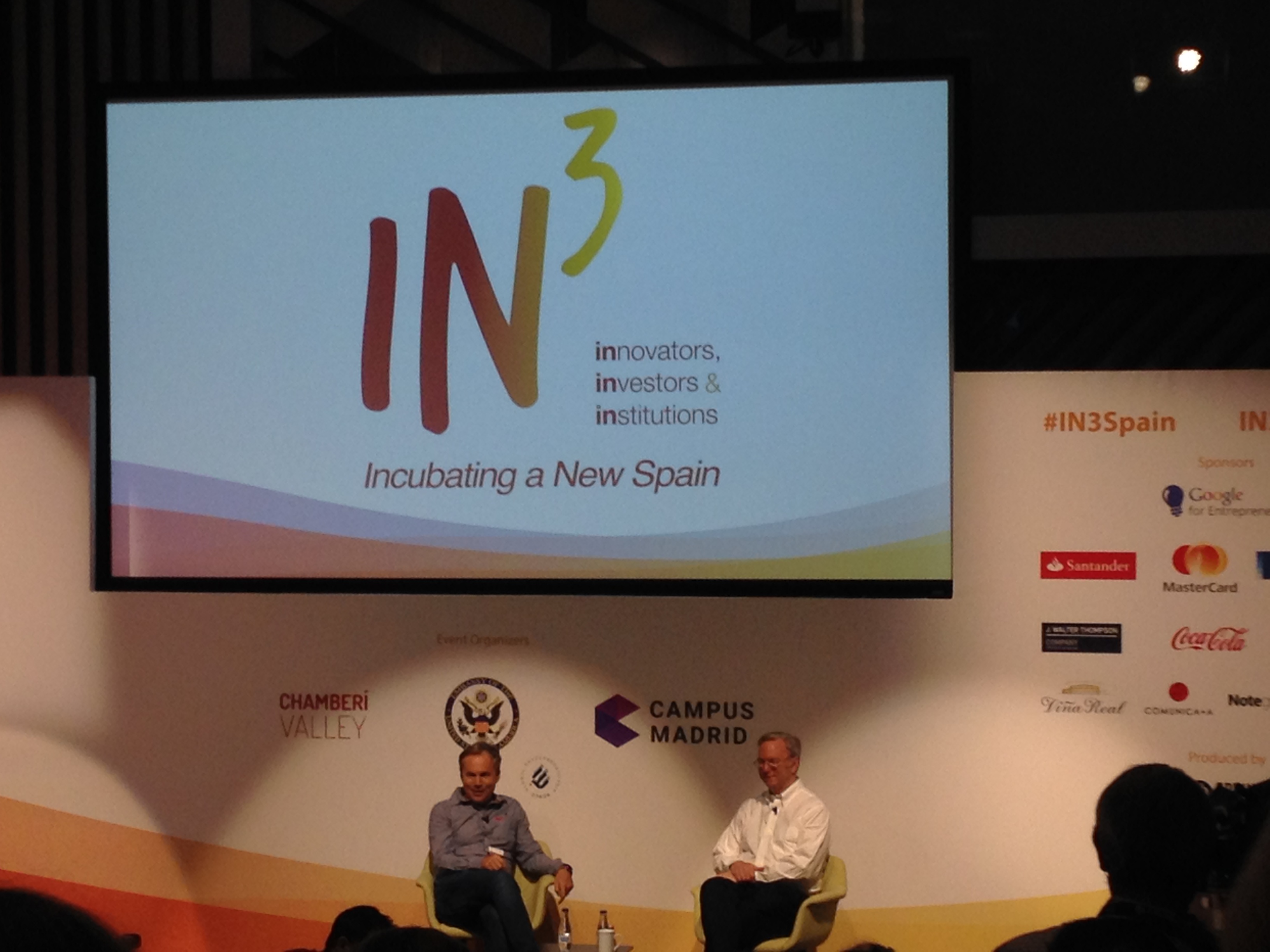 Interviewed on stage by Fon‘s founder and chairman Martin Varsavsky, Eric Schmidt pointed out that the main job creators are actually companies that are both small and fast-growing, also known as ‘gazelles.’ Talking to a full auditorium, he answered questions on many topics, from healthcare and education to fairness and robots.
He also noted that Google’s innovations were meant to be embraced beyond the company. “The real goal of Google Fiber is to get everyone else to increase their network speeds,” he explained.
In a sense, what Google is doing with its Campuses is no different to what it did with Android: it is fostering an ecosystem from which it will eventually benefit. In the case of Campus Madrid, it is also taking a bet on a city that, in the words of Schmidt, is at the start of a journey to compete with Europe’s main existing tech hubs, such as London, Berlin and Scandinavia.
Will it be able to supplant any of them? Only time will tell.
Read next: How Beatport hopes to become the home of electronic music