
Dilbert readers – Please visit Dilbert.com to read this feature. Due to changes with our feeds, we are now making this RSS feed a link to Dilbert.com.
 Laughzilla the Third (2012)
The Third Volume in the Funny Stuff Cartoon Book Collection Available Now.
Laughzilla the Third (2012)
The Third Volume in the Funny Stuff Cartoon Book Collection Available Now. |
 Themes Memes and Laser Beams - The Second Volume in the Funny Stuff Cartoon Book Collection.
 Click Here to get the book in Paperback While Available on Amazon |

Funny Stuff : The First Cartoon Book from The Daily Dose. Available on Lulu. |
Dilbert readers – Please visit Dilbert.com to read this feature. Due to changes with our feeds, we are now making this RSS feed a link to Dilbert.com.

Facebook CEO Mark Zuckerberg today held a press call to talk about the company’s 2nd Community Standards Enforcement report. It was supposed to last 45 minutes, but it ended up nearly 2 hours long thanks to an extended – and very entertaining – interactive session with the national news media. The part about that “Community Standards” stuff — more blah-blah-blah about how Facebook’s algorithms and newly-hired team of crack human hate-speech finders are going to make Facebook great again– was boring and predictable. Facebook is sorry. It’s going to do better. Perhaps the only interesting part there was when the CEO…
This story continues at The Next Web

You’d be forgiven for not having heard of Hifiman before. The headphone company has flourished almost entirely within the audiophile community, producing everything from value-oriented cans to ludicrously expensive examples of audiophile excess. The product I’m writing about today leans towards the latter. The Hifiman RE2000 are the company’s flagship earbuds – properly known as IEMs or in-ear monitors – designed with one goal in mind: provide the best sound quality in an earbud, cost being no object. I won’t assert Hifiman totally succeeded, because I haven’t heard all the competition; despite the death of the headphone jack, the IEM…
This story continues at The Next Web
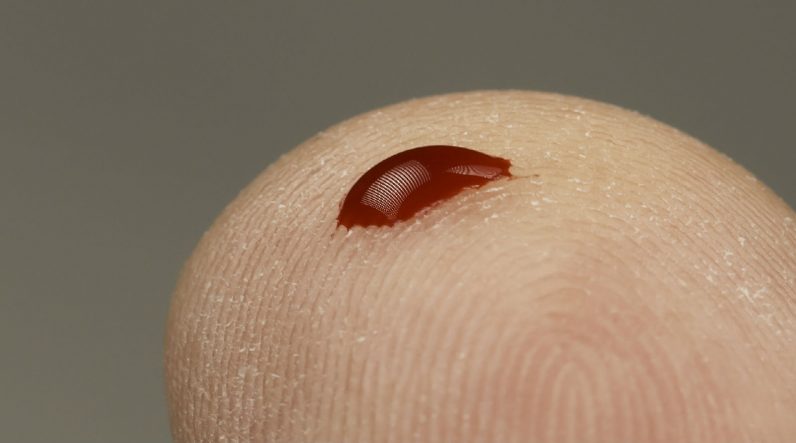
Researchers from New York University have created a set of master fingerprint keys that can be used to spoof biometric identification systems. While the database of fingerprints used by the researchers had a chance of falsely matching with a random fingerprint one out of 1000 times, the master prints they generated had the power to falsely match one out of five times. Their paper was published on the pre-print server ArXiv and proves that fingerprints can be artificially generated using machine learning and used to trick databases secured by fingerprint authentication. This is alarming because a growing number of devices,…
This story continues at The Next Web
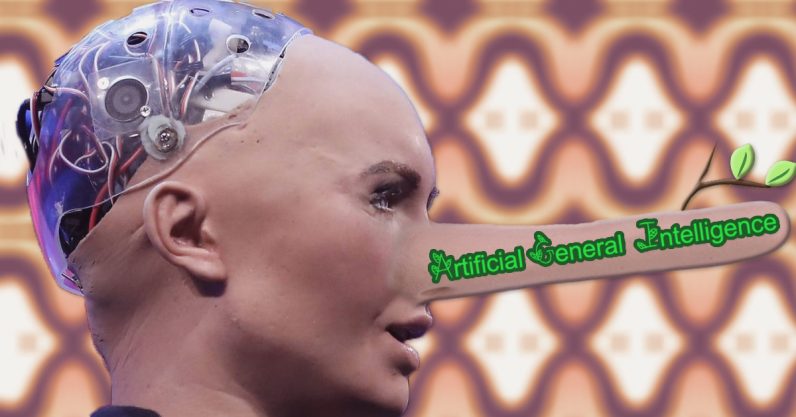
Once upon a time, in the faraway land of Hong Kong, there was a robot named Sophia. It longed for nothing, felt nothing, and was incapable of even the mildest human emotion. But, its creator Geppetto – er, creators David Hanson and Ben Goertzel, I mean – wanted to bring it to life anyway. So they called upon the all-powerful technology fairies, Blockchainia and Algorithmia, who told them to send the robot to Saudi Arabia so it could become a citizen. If you’re hearing about this for the first time, allow me to spoil the ending: Sophia got its Saudi…
This story continues at The Next Web