


For those who’d rather face a dentist’s drill than speak to a crowd — or even if you just need some sound public speaking pointers — the Public Speaking Masterclass Bundle ($29, an 89 percent savings, from TNW Deals) might be the answer.
 Laughzilla the Third (2012)
The Third Volume in the Funny Stuff Cartoon Book Collection Available Now.
Laughzilla the Third (2012)
The Third Volume in the Funny Stuff Cartoon Book Collection Available Now. |
 Themes Memes and Laser Beams - The Second Volume in the Funny Stuff Cartoon Book Collection.
 Click Here to get the book in Paperback While Available on Amazon |

Funny Stuff : The First Cartoon Book from The Daily Dose. Available on Lulu. |
For those who’d rather face a dentist’s drill than speak to a crowd — or even if you just need some sound public speaking pointers — the Public Speaking Masterclass Bundle ($29, an 89 percent savings, from TNW Deals) might be the answer.
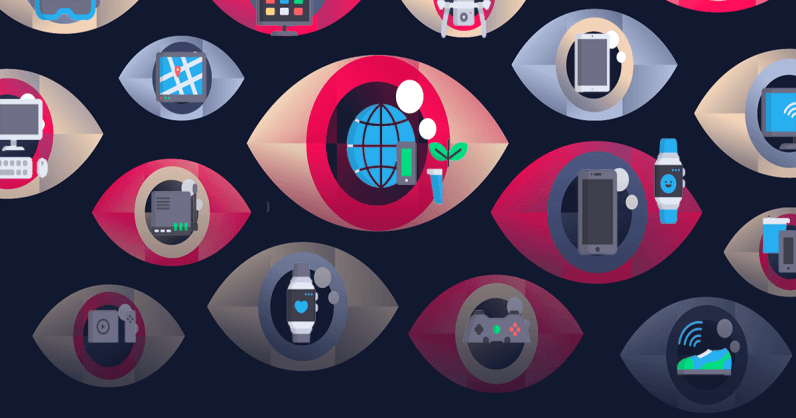
The rise of the digital era has brought with it many wondrous changes to our daily lives, not least of which the fact that we now carry digital assistants with us everywhere we go in the form of smartphones, tablets, and laptop computers. The rapid proliferation of everyday digital devices and the rise of new smart devices, which are more capable than ever before, carries with it worrying connotations about surveillance just as equally as it does positive ones of progress. Will our smart devices become a massive surveillance network? You need not look to the future with dystopian fears…
This story continues at The Next Web
Dilbert readers – Please visit Dilbert.com to read this feature. Due to changes with our feeds, we are now making this RSS feed a link to Dilbert.com.
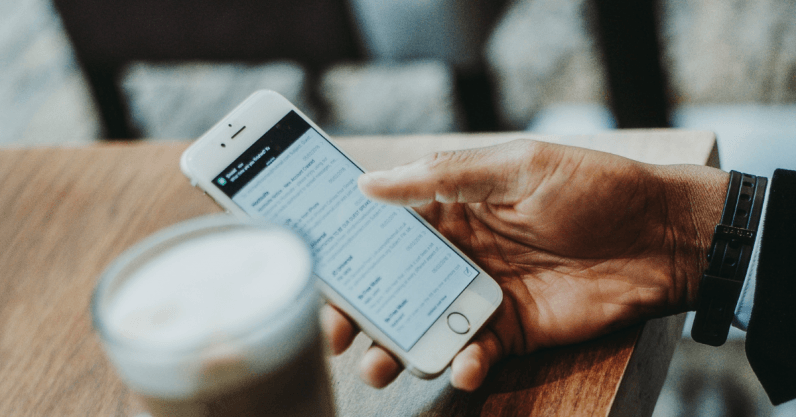
It’s not the apps – they’ve got better. It’s not even the devices – they’re faster, slicker, with shortcuts and enhancements that make it easier, but not good. The problem is the medium itself – mobile communication has aspired to take over the entirety of our business communication, but the awkward way in which we type and the inconsistencies of a purely touch-based interface utterly shred precision and accuracy. I should also be clear that I’m talking about phone-based communication. Allegedly, Jack Dorsey, CEO of both Twitter and Square, doesn’t even use a laptop or computer. The article (and many others)…
This story continues at The Next Web

Today’s gig workers don’t just include your local Uber drivers or handymen on TaskRabbit. In fact, there’s a growing subset of knowledge workers who are looking to the gig economy as a viable alternative to full-time employment. Upwork’s 2017 Freelancing in America study predicts freelancers will become the majority of the US workforce in a decade, with younger generations primarily driving that acceleration in freelancing. That’s happening right now — the survey estimates nearly 50 percent of millennial workers in the US are currently freelancing. The promise of freedom, flexibility and the chance to be their own boss is…
This story continues at The Next Web