



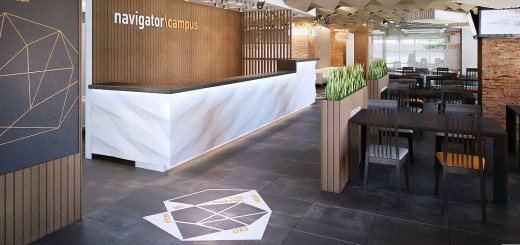
Following the trend of hardware startups becoming increasingly popular, two former leaders of Russian government-backed technoparks have launched one of their own in Kazan, Republic of Tatarstan (800 km from Moscow).
Dubbed Navigator Campus, the new project is a mixture of a coworking space and startup accelerator. The technology park’s infrastructure includes its own angel seed fund to invest into startups incubated there.
Investments in the technopark to the date have reached $4 million, of which $1 million was paid by the founders and the rest by private investors. Among the park’s venture partners, which will be investing in its resident startups, are Runa Capital, Quantum Wave, Almaz Capital Partners, Phystech Ventures, and Grishin Robotics.
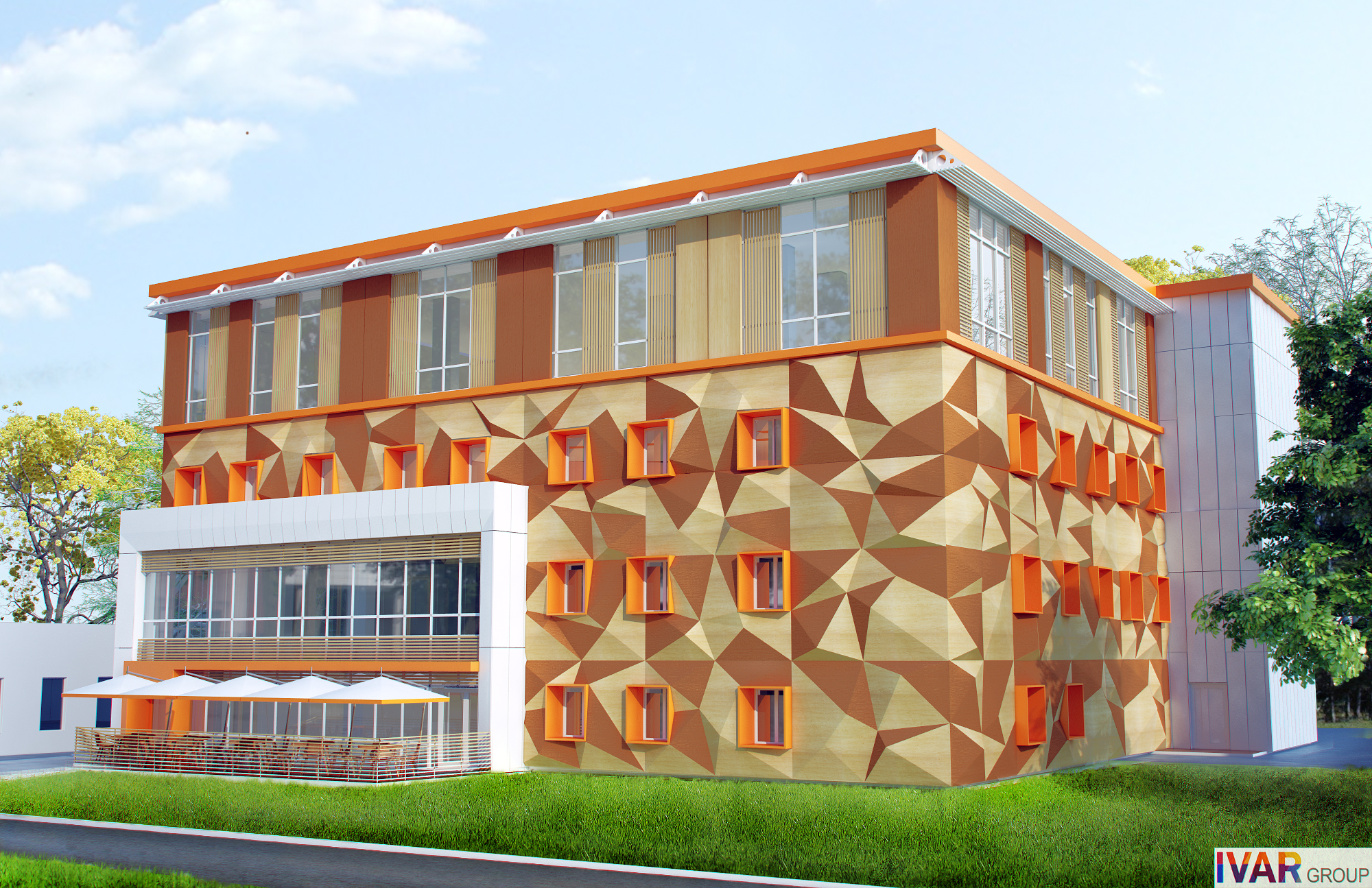
The campus has already opened its doors, but the work on it is far from finished; according to the founders, in the coming years Navigator will expand to 6,000 m² of space, 800 workplaces, and 200 residents. Total amount of money to have been poured into the project by then is estimated at $10 million.
At the moment Navigator has 120 working spaces, 93 of which are already occupied. To become a resident of the campus, a startup has to pay about $4,000 per year. Among the 14 projects coming from different parts of Russia and Ukraine are three that have already raised money in one way or another:
- iBlazr from Kyiv, Ukraine, has raised more than $150,000 on Kickstarter for its smart LED flash for iOS and Android smartphones and subsequently received a $30,000 grant from GTF Foundation
- Krisaf from Tyumen, Russia, has landed $250,000 from GRAVIZapp’s for a complex simulator for rehabilitation of children suffering from cerebral palsy
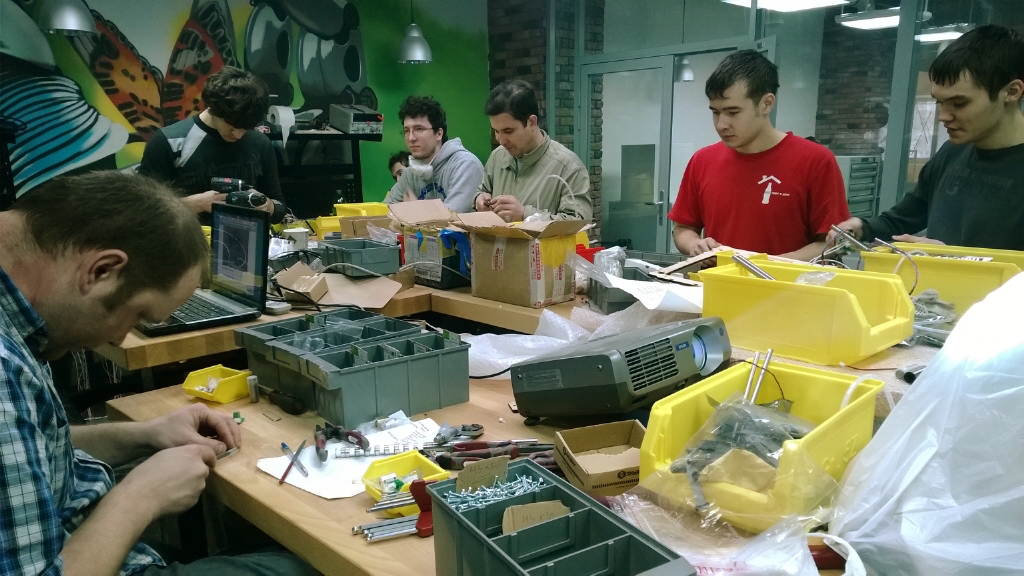
- Kazan-based ENNOVA founded by schoolchildren and university students has secured a $100,000 seed round from GRAVIZapp’s to manufacture 3D printers under NOVA trademark. The manufacturing facilities are also located on Navigator’s premises.
“Engineers are granted access to scientific and business experts, VC mentors and hardware industry leaders: Dell, Samsung, IBM, Cisco, Intel, Foxconn etc. I am sure we soon shall see more venture-backed hardware deals in Russia,” said Serguei Beloussov, Runa Capital senior partner and CEO of Acronis.
The Republic of Tatarstan can be called a state of government-backed technology parks as it’s hosting dozens of them focusing on a broad range of areas from oil chemistry to IT. Ramil Ibragimov and Vasil Zakiev, who have founded Navigator Campus, used to manage two of them, in Kazan and Naberezhnye Chelny.
Now they plan to raise another $20 million to open technology parks similar to Navigator Campus in two big neighboring cities — Ufa and Perm, — while their 10-year plan sees creating a vast network of such places in every part of Russia.