


Dilbert readers – Please visit Dilbert.com to read this feature. Due to changes with our feeds, we are now making this RSS feed a link to Dilbert.com.
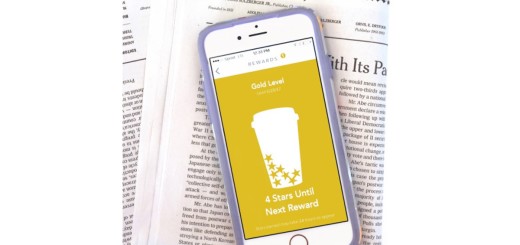
Starting next year, the Starbucks app will have reading material from The New York Times. The feature will be made available to My Starbucks Rewards members, and may even reward them for reading NYT articles in-app. The reading material will cover “key social, political and economic issues.” To earn reward stars, you’ll have to sign up for a subscription to The New York Times digital or print editions. It won’t happen immediately; Starbucks says NYT articles will show up in “the first half of 2016.” While it didn’t say how many articles we’d be able to read daily, Starbucks President…
This story continues at The Next Web
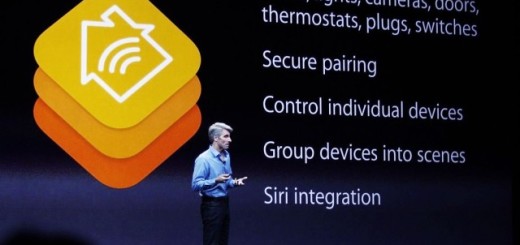
With HomeKit having been announced at WWDC 2014, the slow trickle of devices supporting the framework has been confusing. According to a report by Forbes, it seems encryption of data is slowing the process (and devices). HomeKit requires all manufacturers to adhere to strict approval guidelines. One requirement is that devices which have both Wi-Fi and Bluetooth LE use a 3072-bit encryption as well as an encryption key transfer called Curve25519. Diogo Monica of application distribution platform Docker calls those technologies “bleeding edge.” Lars Felber, a spokesman for hardware manufacturer Elgato, says it took door locks up to 40 seconds to register whether…
This story continues at The Next Web

We haven’t heard much about the upcoming Google Glass Enterprise Edition so far, but details about what differentiates it from the discontinued previous version are starting to trickle in. According to 9to5Google, the updated Glass hardware will be built to greater durability standards than the Explorer Edition we’re all used to. First up, the device will now fold like an everyday pair of glasses. A new hinge mechanism allows both the computer and battery hardware – located on the right side – to fold. It’s also built to be more rugged, able to sustain drops and bumps the original glass…
This story continues at The Next Web